
From Medieval Meadows to Victorian Village: The History of East Dulwich SE22
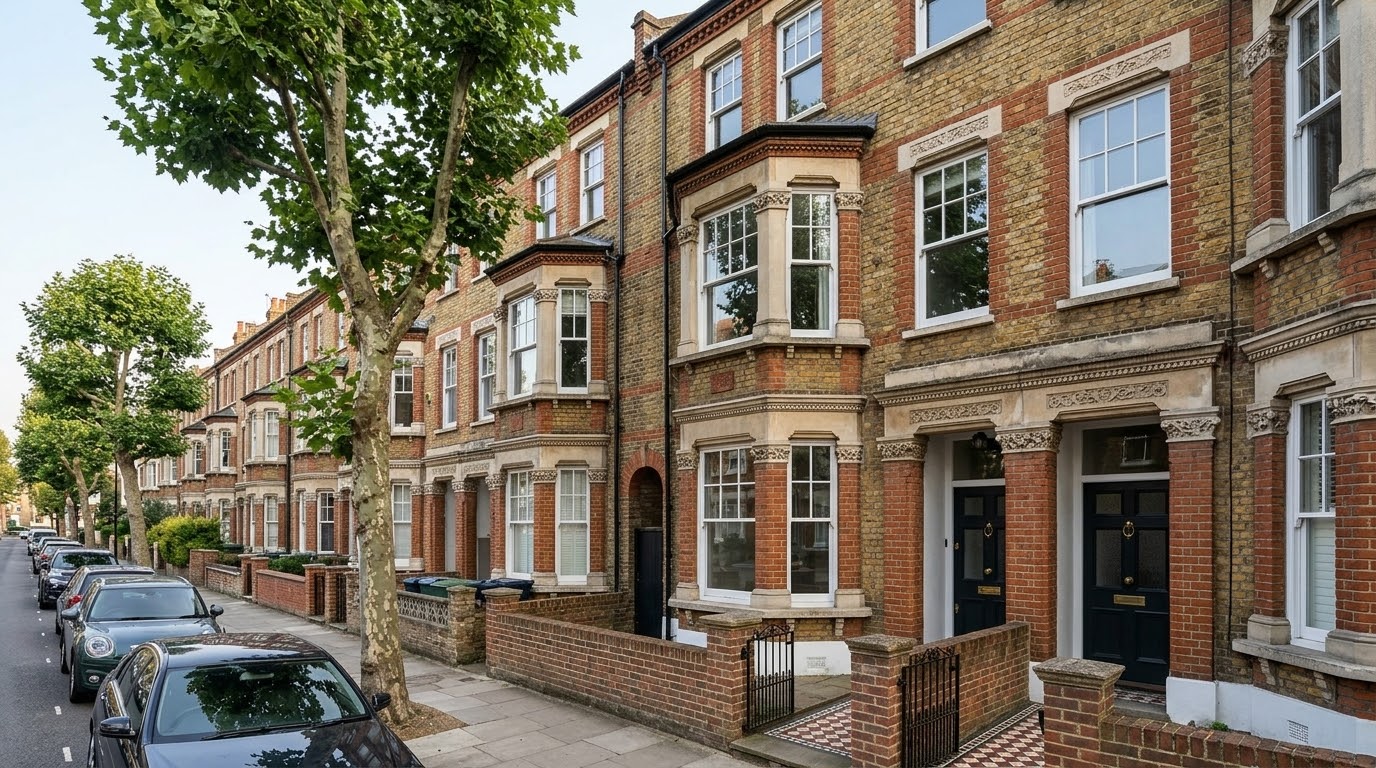
Long before Lordship Lane was lined with sourdough bakeries and boutique cinemas, East Dulwich was a tranquil patchwork of royal meadows, orchards, and dairy farms—its very name derived from the Old English for 'the meadow where dill grows'. Understanding how SE22 evolved from medieval woodland into one of London's finest Victorian residential villages explains why its architecture and community spirit still feel so distinct today.
Three Defining Chapters of East Dulwich SE22
967 AD & 1619
First recorded in King Edgar's charter (967 AD); Edward Alleyn founded Dulwich College & Estate in 1619.
The 1868 Railway Boom
East Dulwich Station sparked a golden era of generous red & yellow London stock brick architecture.
Modern Renaissance
Lordship Lane's revival into South London's premier independent village while preserving period scale.
King Edgar's Charter, Edward Alleyn & Rural Dulwich
Dulwich's recorded history stretches back more than a millennium to 967 AD, when King Edgar granted the manor of 'Dilwihs' to one of his thanes. For centuries the eastern slopes remained lush farmland supplying produce and timber to London, crossed by ancient drovers' tracks—including the lane leading south from Goose Green that became Lordship Lane.
In 1605, wealthy Elizabethan actor-manager Edward Alleyn—star of Christopher Marlowe's plays and partner in Southwark's Rose Theatre—bought the Manor of Dulwich and founded Dulwich College in 1619. His charitable trust, the Dulwich Estate, carefully stewarded neighbouring parkland, woods, and architecture for the next four centuries, protecting the green belt that still frames SE22 today.
1868: The Victorian Building Boom Along Lordship Lane
East Dulwich's defining architectural chapter arrived in 1868 with the opening of East Dulwich (originally Champion Hill) railway station. Almost overnight, builders laid out broad, tree-lined avenues across the old market gardens—Upland Road, Landcroft Road, Barry Road, and Lordship Lane—lined with substantial bay-fronted villas and red-and-yellow London stock brick terraces.
Unlike cramped inner-city tenements, East Dulwich's Victorian homes were built with generous ceiling heights, tall sash windows, decorative stone lintels, and deep gardens—proportions that make restored conversions like Myn House (263 Lordship Lane) and 302 Lordship Lane so luminous and adaptable for 21st-century living.
Architectural Craft Carried Forward
Over the past two decades, East Dulwich has enjoyed a remarkable cultural renaissance without losing its independent soul. By honouring SE22's traditional London stock and red-brick streetscape—whether restoring period facades on Lordship Lane or crafting sympathetic new-build architecture on Upland Road, Landcroft Road, and Tamsyn Mews—Myn Properties builds homes rooted in the area's lasting heritage.